Campbell's Reveals the Surge in Home Cooking: A Trend Transforming Kitchens Across America Since 2020!
The Rise of Home-Cooked Meals: A Shift in Consumer Preferences
In a surprising turn of events, Campbell's Co. has revealed a significant change in culinary habits, with home-cooked meals reclaiming their spot in American kitchens. According to recent insights shared by the company's executives during their earnings call, the current surge in meal preparation at home hasn't been seen since the pandemic's early days.
Consumer Caution Drives Culinary Choices
As the economic landscape shifts and consumer confidence wanes, CEO Mick Beekhuizen highlighted a trend towards more conscientious spending on food. This year, households are leaning toward home-cooked options, a reflection of changing priorities. Beekhuizen observed, "The growth in preference for home-cooked meals signifies the highest level of at-home meal preparation since early 2020," as noted in a transcript provided by AlphaSense.
Financial Impacts: A Mixed Bag for Campbell's
The movement towards home cooking is boosting sales in Campbell's meal and beverage segments, yet it's causing a dip in snack sales. CFO Carrie Anderson noted that adjusted earnings are projected to fall at the lower end of their expectations, which range from $2.95 to $3.05 per share. This cautious forecast anticipates a decline in organic sales by 2% to flat, encompassing the broader economic challenges consumers face.
Snapshot of the Snack Market
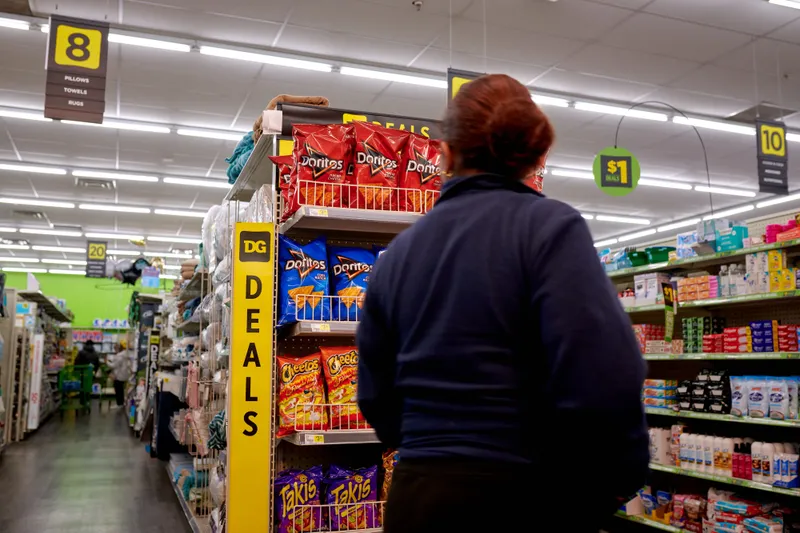
Despite a modest 1% year-over-year growth in Campbell's organic sales for the third quarter, this uptick was driven largely by a 6% rise in meals and beverages, contrasted with a troubling 5% drop in snack sales. Notably, products like Goldfish crackers and Snyder's of Hanover pretzels have underperformed, while Pepperidge Farm cookies managed to retain some popularity.
Industry-Wide Trends in Snack Consumption
Other food manufacturers, including Hain Celestial Group, General Mills, and Mondelēz International, have echoed Campbell's observations, noting a decline in snack purchases as consumers increasingly prioritize essential grocery items. "The trend indicates a move towards essentials within grocery shopping, adversely affecting the snacking sector," stated Mondelēz CEO Dirk Van de Put during a recent earnings call.
Emerging Opportunities in Health-Conscious Snacks
In contrast to the overall slump in snacking, some companies have reported a spike in demand for protein-rich and health-oriented snack options. Conagra's CEO Sean Connolly highlighted the rise of trendy snack categories, stating, “Both meat-based snacks and popcorn are performing well, and our overlooked seed business is proving to be exceptionally profitable,” indicating that health-focused snacks could offer a lifeline in this shifting market.
📌 Key Takeaways
- The Rise of Home-Cooked Meals: A Shift in Consumer Preferences
- In a surprising turn of events, Campbell's Co. has revealed a significant change in culinary habits, with home-cooked meals reclaiming their spot in American kitchens. According to recent insights shared by the company's executives during their earnings call, the current surge in meal preparation at home hasn't been seen since the pandemic's early days.
- Consumer Caution Drives Culinary Choices
📊 Market Analysis
The financial markets are experiencing significant shifts driven by macroeconomic factors and investor sentiment. Understanding these dynamics is crucial for making informed investment decisions.
💡 Investment Tips
Diversification
Spread your investments across different asset classes to reduce risk.
Research
Always conduct thorough research before making investment decisions.
Long-term Focus
Focus on long-term gains rather than short-term market fluctuations.
Risk Management
Implement proper risk management strategies to protect your portfolio.
⚠️ Disclaimer
This article is for informational purposes only and should not be considered as financial advice. Always consult with a qualified financial advisor before making investment decisions. Past performance does not guarantee future results. All investments carry risk, including potential loss of principal.