Navigating Economic Waters: China and the U.S. Soften Trade Tensions, the Fed Holds Steady, and the Bank of England Takes a Bold Stance Amid Rate Cuts.
Echoes of the Past: Trade Tensions Resurface
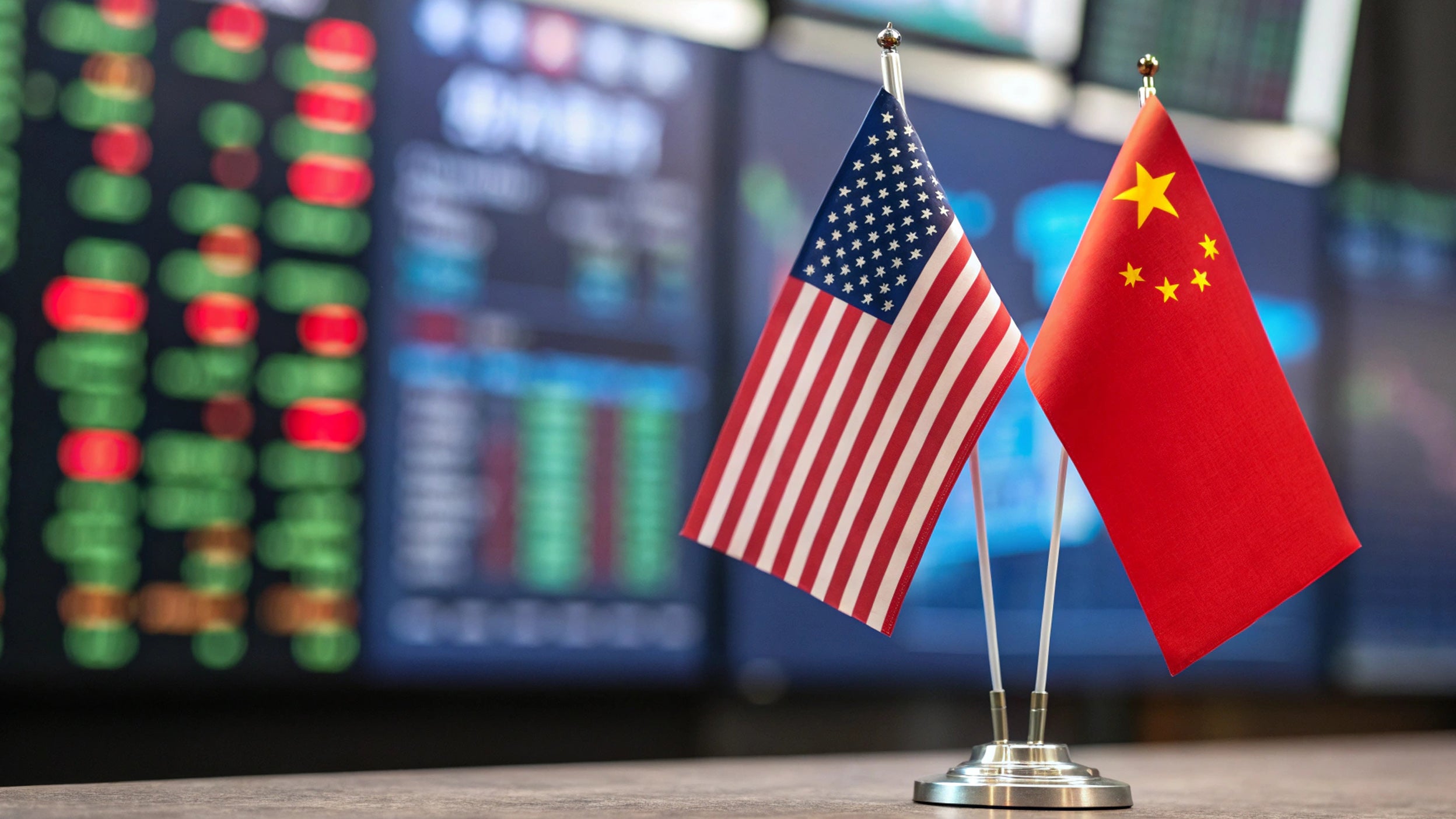
The trade battle ignited between the United States and China in 2018 parallels today's tumultuous climate. As 2018 drew to a close, a sense of unease pervaded the business landscape. Economic forecasts dimmed, recession apprehensions loomed large, and the S&P 500 Index plummeted by nearly 20% in a matter of weeks. Just as investors adopted a bearish outlook, the political narrative began to shift. The Trump administration opted for a 90-day pause on tariffs with China, and the Federal Reserve softened its tone. The subsequent year witnessed a robust rally in risk assets.
A Promising Retreat in Tariffs
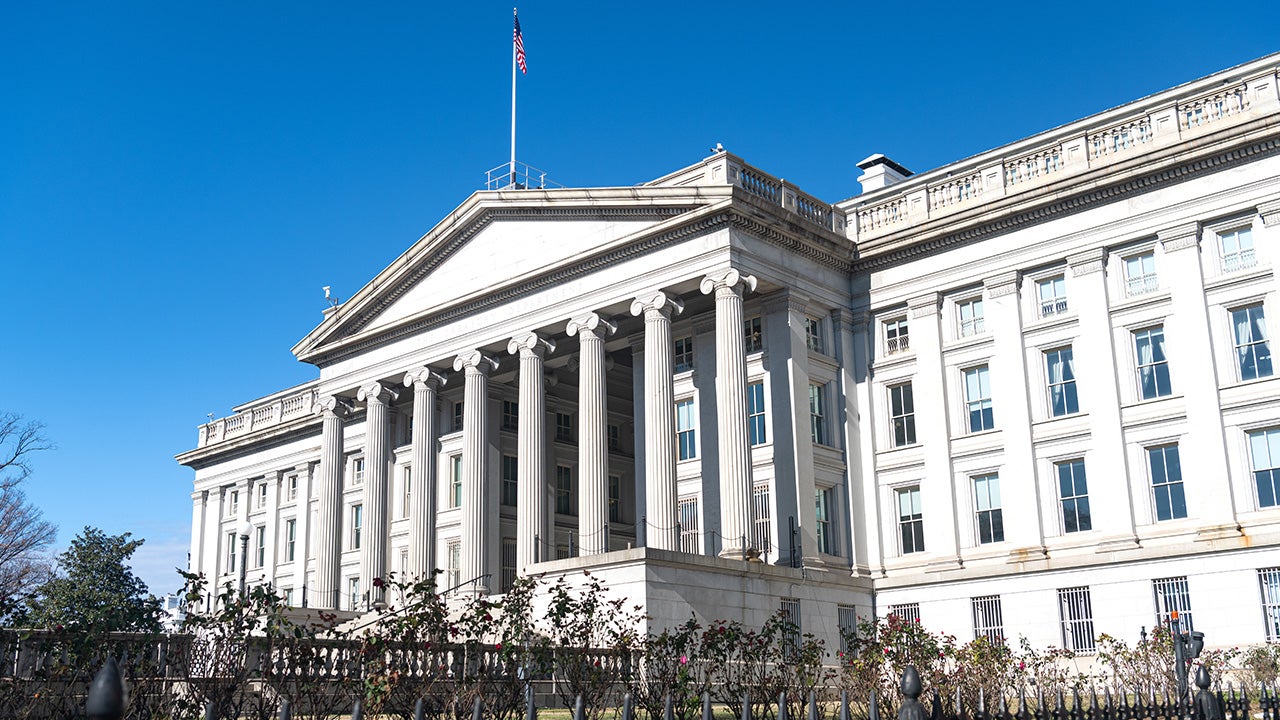
This past weekend, Treasury Secretary Bessent engaged with Chinese officials in Switzerland, resulting in a notable reduction of tariffs — a drop from a staggering 145% to a more manageable 30% for the next 90 days. Wall Street responded with enthusiasm, recognizing this step back from the brink, even though ongoing tariffs remain elevated compared to last year’s levels.
The Fed's Tightrope Walk
The Federal Reserve finds itself navigating a narrow path beset by conflicting pressures. The uncertainty surrounding tariffs poses both inflationary risks and potential downsides for employment. While we believe a rate reduction is in the cards, the Fed is likely to tread cautiously, maintaining current rates until the labor market shows more pronounced signs of weakness. Recent unemployment claims and payroll figures have remained resilient, leaving the Fed to adopt a ‘wait-and-see’ stance amid the tug-of-war between encouraging economic indicators and prevailing market sentiment.
Bank of England: A Cautious Approach
In a move that was anticipated, the Bank of England (BOE) decreased its policy rate by 25 basis points last week. The vote was tighter than expected, with a couple of members advocating for no change. Despite persistent inflationary pressures in the UK, we foresee a decrease in these pressures thanks to lower oil prices, a sturdier currency, and US tariff adjustments. While the UK job market isn’t failing, it shows signs of softness. Rate cuts may be gradually reflected in lower mortgage rates, potentially boosting consumer confidence in spending as the year progresses, which could favor small-cap UK stocks focused on domestic markets.
Earnings Season: Surprises Amid Uncertainty
As we progress through the first quarter earnings season, over 75% of S&P 500 companies have filed their reports. Results have broadly exceeded expectations, aligning with historical norms. However, forward guidance has taken a cautious tone, suggesting increased uncertainty. Though many companies have yet to issue negative earnings projections, there’s been a notable rise in discussions about recession during earnings calls, although mentions of layoffs remain stable.
Tech Sector Shifts the Market Dynamics
Delving deeper into the market's movements, recent weeks have seen the technology and communication services sectors spearheading a stock market resurgence. This is a striking contrast to the previous quarter when these sectors hindered overall market performance. Given the continued struggles elsewhere, a slowdown in tech could potentially stall this recent market rally.
Kashmir Conflict: Low Market Impact
While tensions flare between India and Pakistan following decades of clashes, investors are reminded that the repercussions of regional geopolitical strife typically don’t reverberate significantly through broader markets. While the Pakistan stock market has faced considerable declines, the prevailing sentiment suggests these conflicts will not meaningfully disturb larger financial markets.
📌 Key Takeaways
- Echoes of the Past: Trade Tensions Resurface
- The trade battle ignited between the United States and China in 2018 parallels today's tumultuous climate. As 2018 drew to a close, a sense of unease pervaded the business landscape. Economic forecasts dimmed, recession apprehensions loomed large, and the S&P 500 Index plummeted by nearly 20% in a matter of weeks. Just as investors adopted a bearish outlook, the political narrative began to shift. The Trump administration opted for a 90-day pause on tariffs with China, and the Federal Reserve softened its tone. The subsequent year witnessed a robust rally in risk assets.
- A Promising Retreat in Tariffs
📊 Market Analysis
The financial markets are experiencing significant shifts driven by macroeconomic factors and investor sentiment. Understanding these dynamics is crucial for making informed investment decisions.
💡 Investment Tips
Diversification
Spread your investments across different asset classes to reduce risk.
Research
Always conduct thorough research before making investment decisions.
Long-term Focus
Focus on long-term gains rather than short-term market fluctuations.
Risk Management
Implement proper risk management strategies to protect your portfolio.
⚠️ Disclaimer
This article is for informational purposes only and should not be considered as financial advice. Always consult with a qualified financial advisor before making investment decisions. Past performance does not guarantee future results. All investments carry risk, including potential loss of principal.